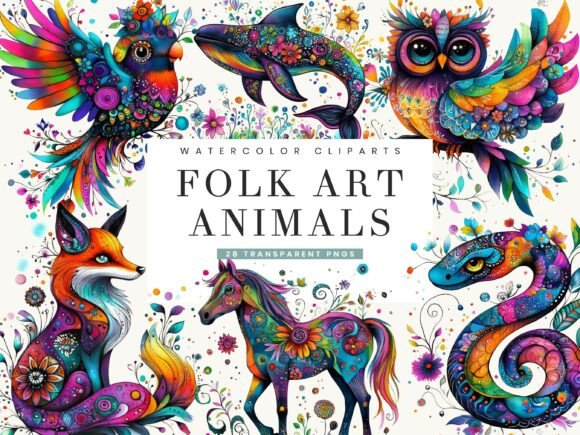
Watercolor Folk Art Animals Clipart: A Practical Guide to Quality and Usability
Integrating Watercolor Folk Art Animals Clipart into your creative workflow can instantly elevate the aesthetic of your projects. Whether you are designing a whimsical greeting card, crafting a rustic wedding invitation, or developing branding for a boutique business, these hand-painted elements offer a unique blend of charm and professionalism. However, many creators overlook critical technical details when selecting digital assets, leading to frustration during the production phase. Understanding the nuances of resolution, file formats, and licensing is essential to ensuring your final product looks as polished as your vision.
The Importance of Resolution and Print Quality
One of the most common pitfalls for beginners and even seasoned designers is underestimating the importance of image resolution. When browsing for folk art animal illustrations, it is tempting to focus solely on the visual style. Yet, a beautiful design is useless if it appears pixelated or blurry in its final application. Many low-quality bundles offer images at 72 DPI (dots per inch), which is suitable only for screen display. If you attempt to print these on paper, fabric, or merchandise, the result will be jagged and unprofessional.
To avoid this, always verify that your clipart bundle provides files at 300 DPI. This standard ensures crisp, clear printing regardless of the medium. For instance, if you are creating stickers or planners, high-definition quality is non-negotiable. A bundle like the 28 Watercolor Folk Art Animals Clipart Bundle typically addresses this by offering HD files specifically optimized for print. Before purchasing, zoom in on preview images to check for edge clarity. If the watercolor textures look muddy or the edges are fuzzy in the preview, they will likely perform poorly in your project.
Understanding File Formats and Transparency
Another frequent misunderstanding involves file formats. Some users download JPEGs instead of PNGs, not realizing the significant difference in usability. JPEG files do not support transparent backgrounds; they come with a solid white or colored box behind the image. This limitation forces you to spend extra time manually removing backgrounds in editing software, a process that often results in lost detail, especially with delicate watercolor edges.
Transparent backgrounds are crucial for efficient layering. When you use PNG files with transparency, you can place a fox, owl, or rabbit directly onto a textured paper background, a patterned fabric, or a colored cardstock without any awkward white halos. This feature is particularly vital for scrapbooking, junk journaling, and digital planning. Always confirm that the bundle you choose offers PNG files. This simple check saves hours of post-processing work and preserves the integrity of the hand-painted aesthetic.
Licensing and Commercial Use Considerations
For entrepreneurs and small business owners, understanding licensing terms is not just a best practice—it is a legal necessity. A common mistake is assuming that purchasing a digital download grants unlimited rights to use the artwork on any product. In reality, licenses vary significantly. Some artists allow personal use only, while others permit commercial use with certain restrictions, such as a limit on the number of physical items sold or a prohibition on using the clipart as a standalone logo.
Before integrating these designs into t-shirts, tote bags, or home décor items for sale, read the license agreement carefully. Look for terms like "commercial use allowed" or "small business friendly." If the documentation is unclear, contact the creator directly. Using artwork without proper permission can lead to copyright strikes, removed listings, or legal action. Investing in a bundle with clear, flexible licensing terms protects your business and ensures peace of mind. The instant digital download model is convenient, but it does not replace the need for due diligence regarding usage rights.
Matching Style to Project Audience
While folk art has a broad appeal, it is not a one-size-fits-all solution. A frequent oversight is mismatching the whimsical nature of watercolor animals with the tone of the project. For example, using playful, rustic animal clipart for a corporate financial report would create a disjointed user experience. Conversely, these designs shine in contexts that value warmth, nostalgia, and creativity.
Consider your target audience. If you are designing invitations for a baby shower, a woodland-themed birthday party, or a cozy café menu, the rustic charm of folk art animals is perfect. The hand-painted style conveys authenticity and care, which resonates with consumers looking for handmade or artisanal vibes. However, ensure the color palette of the clipart complements your overall design scheme. Watercolor art often features soft, blended hues. If your brand colors are neon or highly saturated, you may need to adjust the brightness and contrast of the clipart or choose designs that align better with your visual identity.
Evaluating Variety and Uniqueness
When selecting a bundle, assess the variety of animals and poses included. A limited selection can restrict your creative flexibility. A comprehensive bundle, such as one containing 28 unique PNG files, offers a diverse range of subjects—from foxes and owls to rabbits and birds. This variety allows you to maintain a consistent style across different projects without repeating the same images excessively.
Additionally, look for original content. Stock imagery sites are flooded with generic vector art that lacks character. Hand-painted watercolor designs offer a level of uniqueness that mass-produced vectors cannot match. Each brushstroke adds texture and depth, making your projects stand out. Check if the artist emphasizes "fresh, unique, and original content" in their description. This commitment to originality ensures that your designs will not look identical to thousands of other products on the market.
Practical Tips for Implementation
To maximize the value of your Watercolor Folk Art Animals Clipart, consider these practical steps:
- Organize Your Files: Upon download, sort the PNGs into folders by animal type or color scheme. This saves time when searching for specific elements during tight deadlines.
- Test Print Samples: Before committing to a large print run, test a few designs on your intended material. Paper texture affects how watercolor textures appear; a smooth glossy paper may look different than a matte kraft paper.
- Layer Thoughtfully: Use the transparent backgrounds to layer animals with botanical elements, such as leaves or flowers, to create cohesive compositions. This technique enhances the folk art vibe and adds depth to your designs.
- Respect the Art: Avoid over-editing the clipart. The beauty of watercolor lies in its organic imperfections. Excessive sharpening or color correction can strip away the whimsical charm that makes these designs appealing.
By paying attention to resolution, file format, licensing, and stylistic fit, you can avoid common pitfalls and make the most of your digital assets. The right clipart bundle serves as a versatile tool in your creative arsenal, enabling you to produce high-quality, engaging content efficiently. Whether you are a hobbyist enjoying the process of junk journaling or a professional designer creating client deliverables, informed choices lead to better outcomes and greater satisfaction with your work.